
Dialogue Works
https://feeds.acast.com/public/shows/dialogue-worksEpisode List
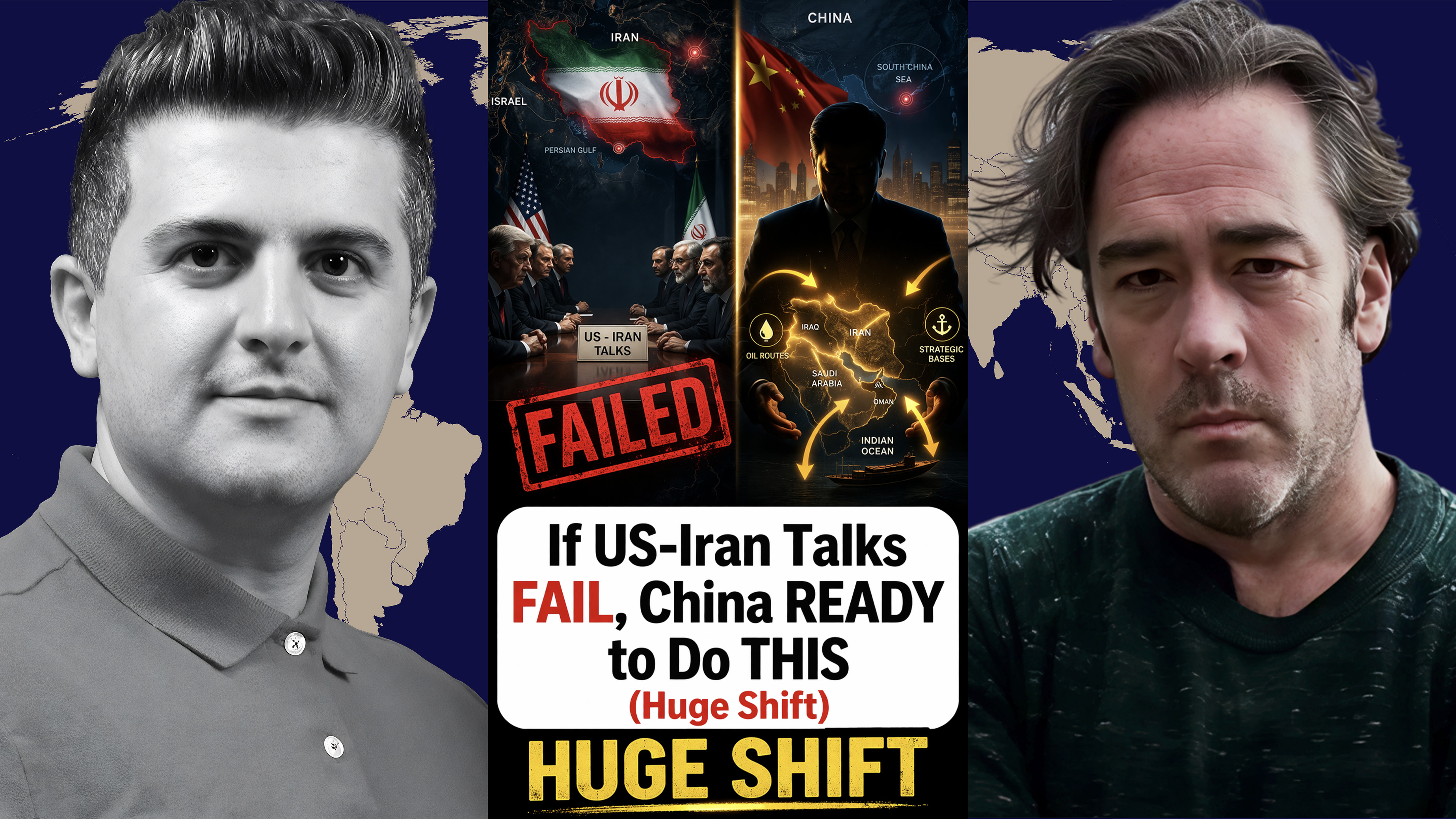
Patrick Henningsen: If US-Iran Talks FAIL, China READY to Do THIS (Huge Shift)
Ongoing US–Iran talks face deep mistrust, with key disputes over the Strait of Hormuz, sanctions relief, and regional ceasefire terms. The discussion argues negotiations are unlikely to succeed due to lack of trust, inconsistent diplomacy, and absence of credible guarantors. Escalations in Lebanon and broader regional tensions complicate progress, while media narratives and military posturing increase pressure. The interview suggests global powers are preparing for failure, with energy markets and geopolitical influence at stake. Overall, talks are seen as fragile, with a high risk of collapse and renewed conflict. Hosted on Acast. See acast.com/privacy for more information.
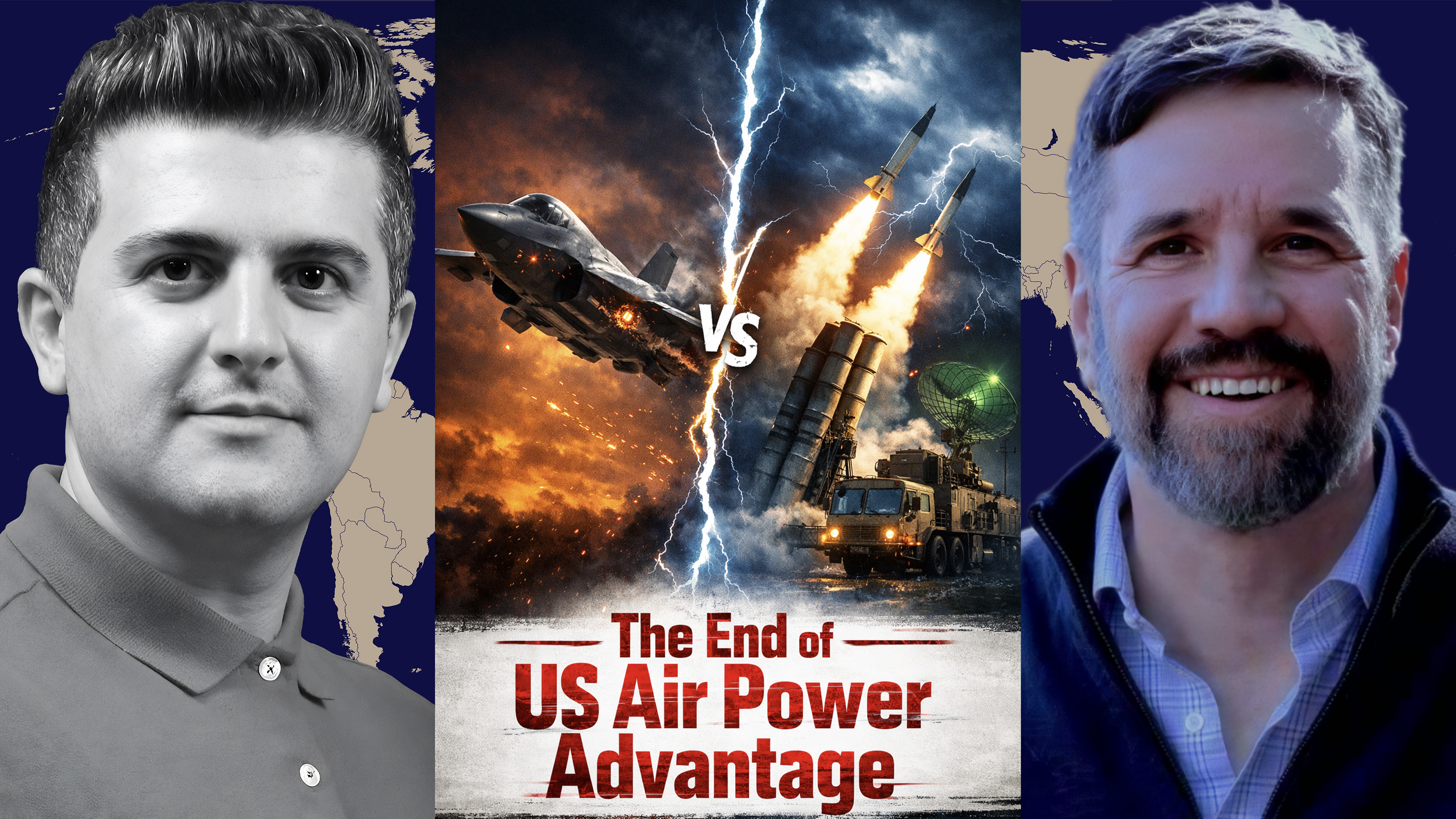
Matthew Hoh: The End of US Air Power Advantage
The discussion examines skepticism around a proposed ceasefire in Lebanon, highlighting repeated failures of past negotiations and ongoing violations. It explores how political pressure, economic instability, and inconsistent decision-making in Washington are shaping the conflict. The conversation questions military strategies, reporting narratives, and leadership competence, while emphasizing heavy human and economic costs across the region. It also argues that recent events reveal a shifting global balance of power, weakening U.S. influence and forcing allies to reconsider their strategic alignment in an increasingly uncertain geopolitical landscape. Hosted on Acast. See acast.com/privacy for more information.
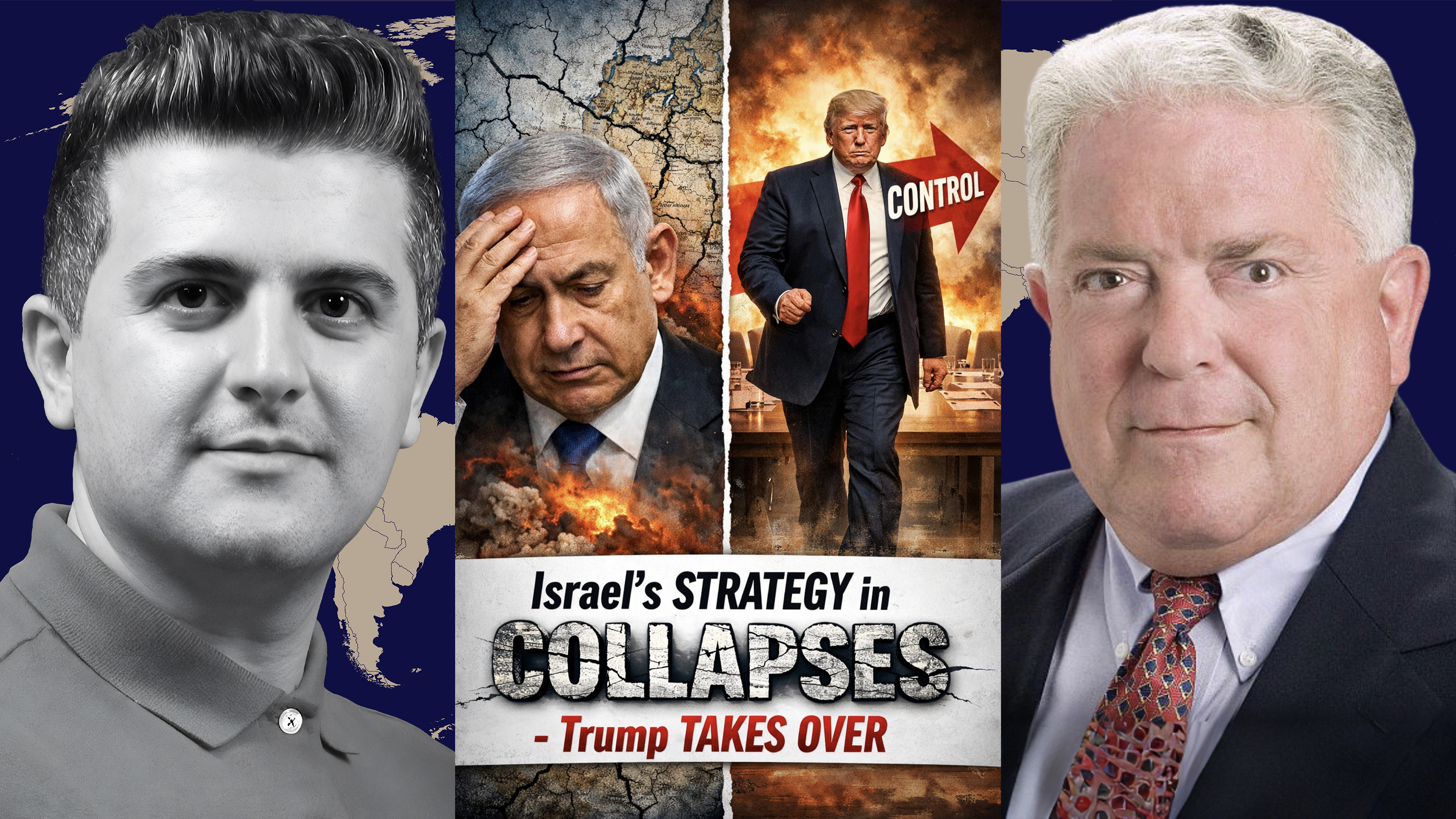
Amb. Chas Freeman: Israel’s STRATEGY in TATTERS - Trump TAKES OVER
A fast-moving geopolitical crisis unfolds as ceasefire talks emerge alongside the release of frozen assets and indirect negotiations. Despite signs of de-escalation, the “ceasefire” may only be temporary, with deep disagreements unresolved. The discussion highlights shifting power dynamics, with Iran gaining leverage through control of key energy routes, while the U.S. and Israel face strategic setbacks. Rising energy prices, global economic risks, and weakening sanctions signal broader consequences. The interview argues that diplomacy—not force—is now the only viable path forward, though lasting peace remains uncertain. Hosted on Acast. See acast.com/privacy for more information.
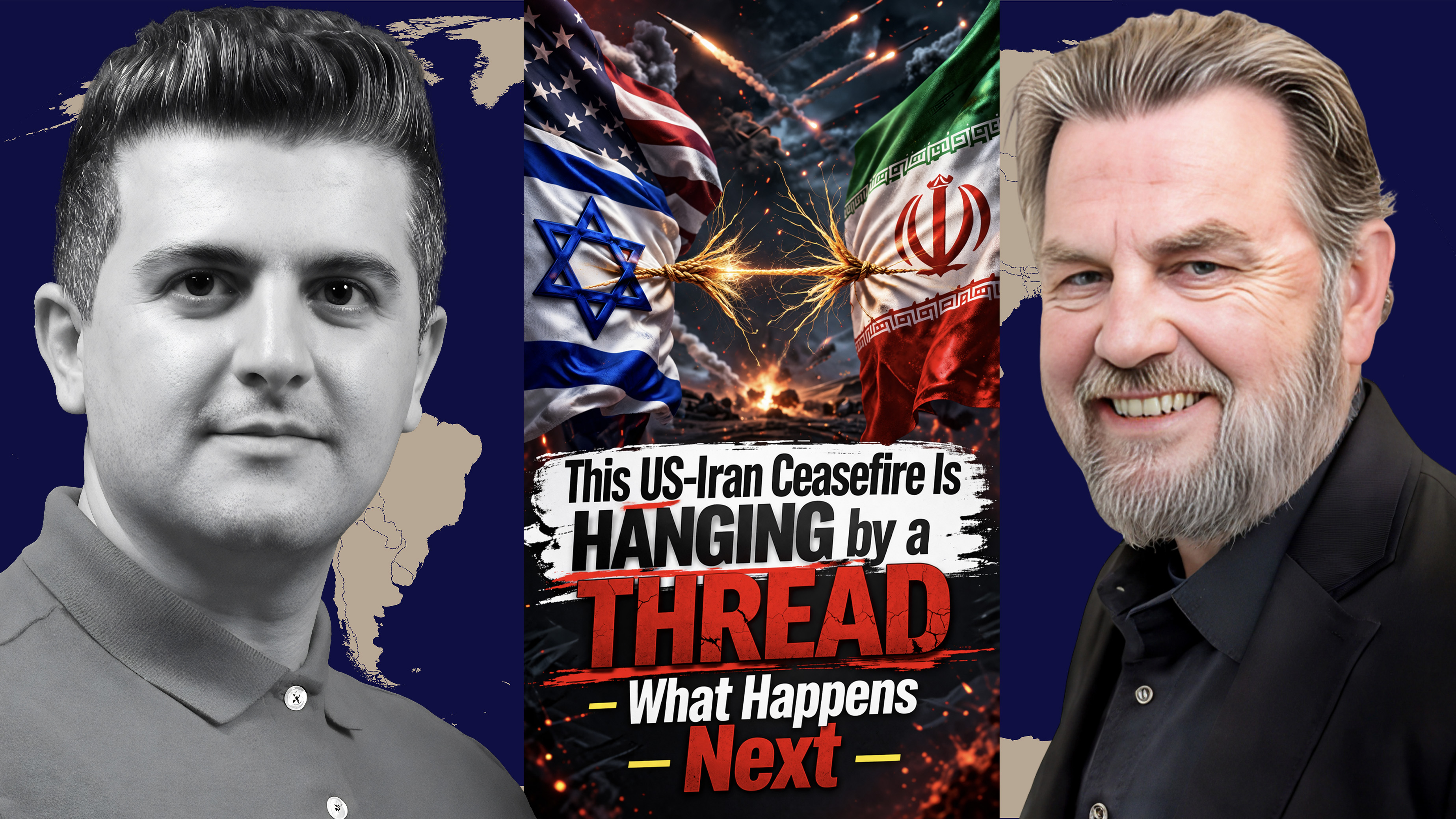
Larry Johnson: Iran Just SEIZED Control of the Strait of Hormuz – Ceasefire Already Falling Apart?
A heated discussion explores rising tensions between the U.S. and Iran, focusing on stalled negotiations, conflicting proposals, and shifting power dynamics. It argues Iran has set firm preconditions, including control over the Strait of Hormuz and an end to regional attacks, while the U.S. appears divided and under pressure. The interview highlights military setbacks, economic fallout, and growing global instability, suggesting the conflict has weakened U.S. influence. It concludes that meaningful negotiations remain unlikely, with risks of escalation still high amid political, military, and economic uncertainty. Hosted on Acast. See acast.com/privacy for more information.
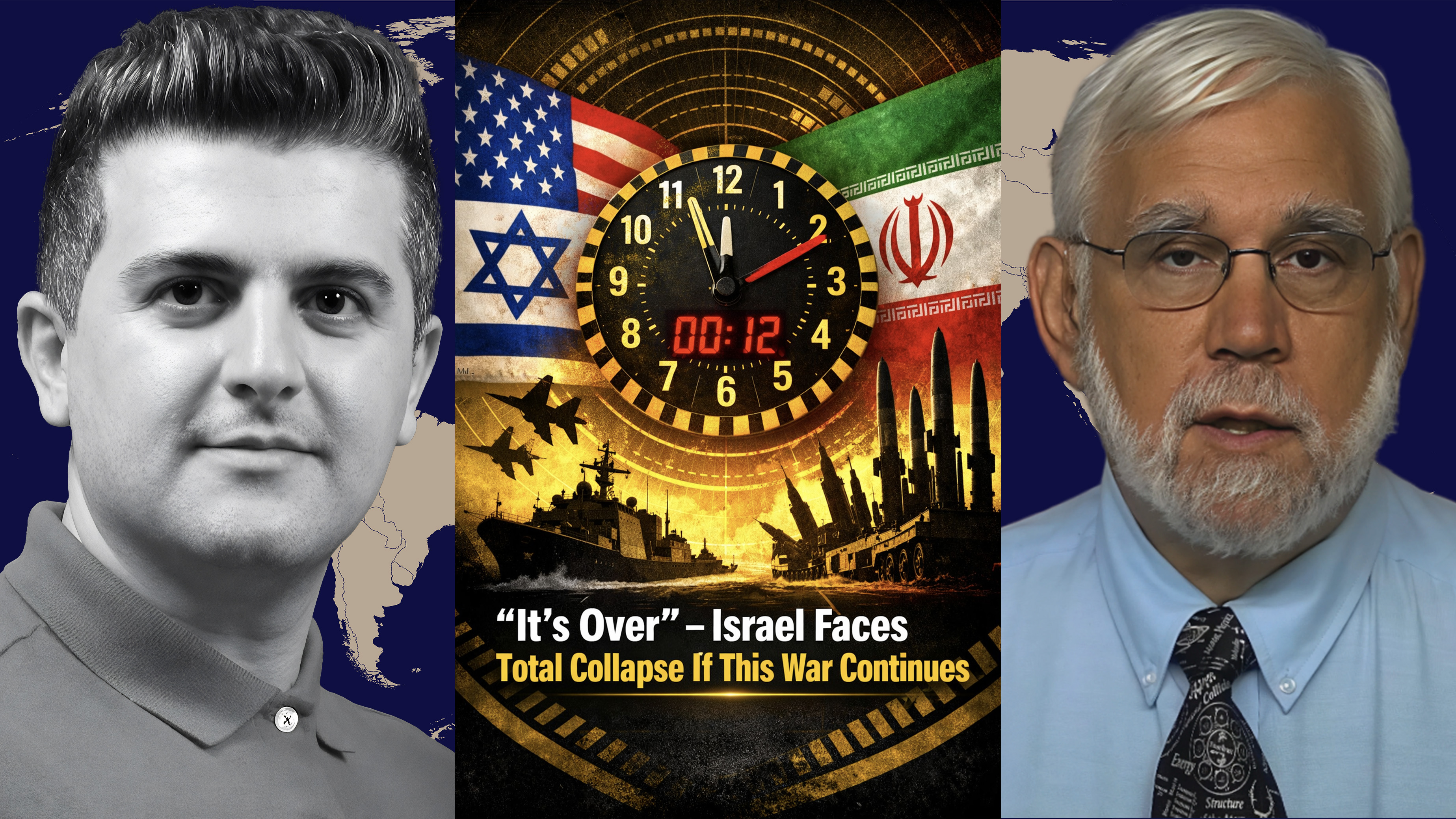
Prof. Ted Postol: It’s Over” – Israel Faces Total Collapse If This War Continues
The interview examines rising Middle East tensions amid a proposed ceasefire, highlighting deep disagreements between political and military strategies. It argues that long-term regional instability stems from past foreign interventions and failed diplomatic decisions, including the collapse of nuclear agreements. The discussion portrays current leadership decisions as escalating conflict rather than resolving it, warning that continued warfare risks wider regional and global consequences. Militarily, it claims shifting technology—especially drones, missiles, and satellite intelligence—is changing the balance, making traditional defenses less effective. The conversation concludes that public opinion, particularly in the U.S., is shifting against the war, potentially forcing major political and strategic changes toward de-escalation. Hosted on Acast. See acast.com/privacy for more information.







Get this podcast on your phone, Free


Create Your Podcast In Minutes
- Full-featured podcast site
- Unlimited storage and bandwidth
- Comprehensive podcast stats
- Distribute to Apple Podcasts, Spotify, and more
- Make money with your podcast