Permaculture Perspectives Podcast
https://feeds.soundcloud.com/users/soundcloud:users:277338128/sounds.rssEpisode List
Agroforestry Accelerator With Buzz Ferver
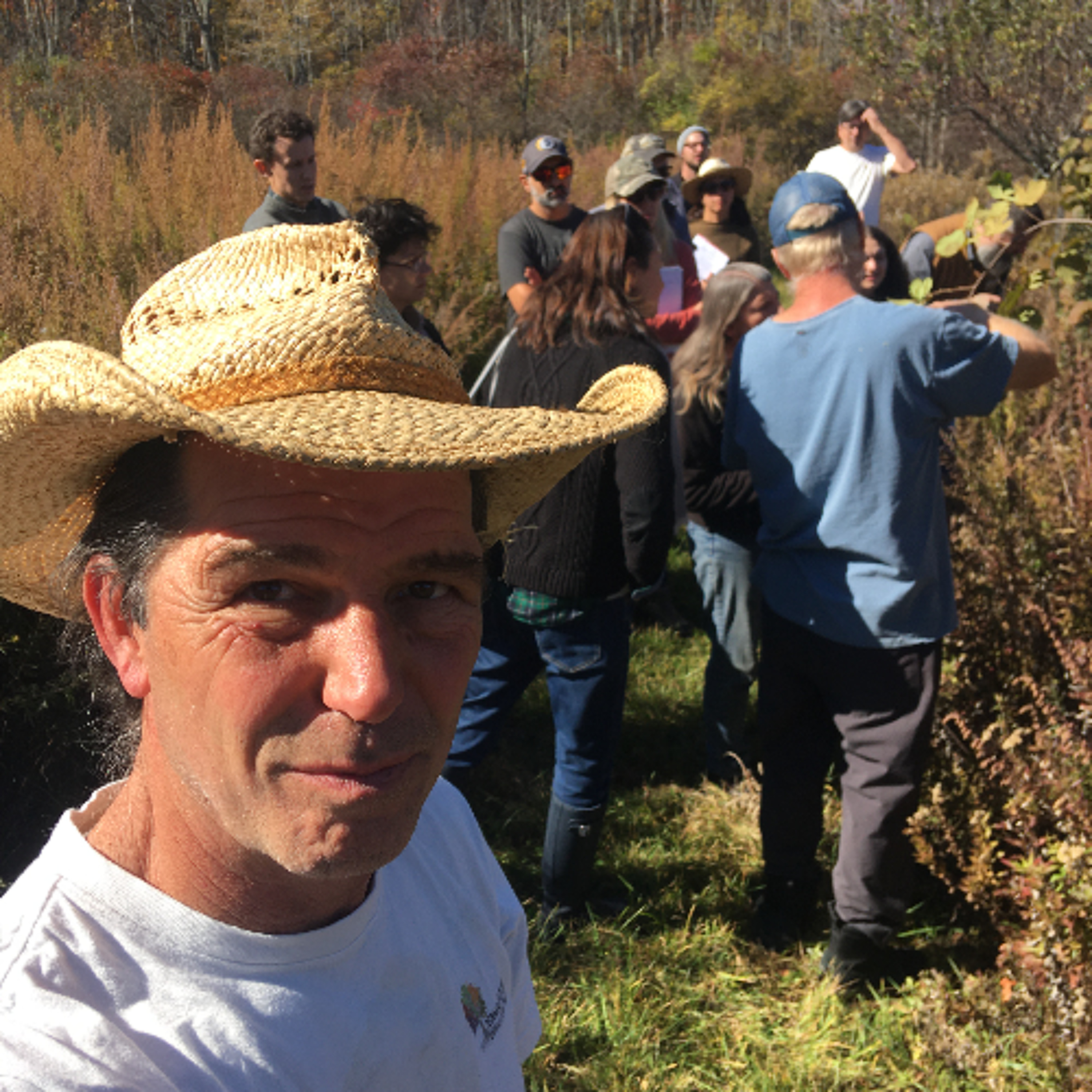
Sit back and enjoy words from a master Nurseryman as he guides us through all the details of running a successful ,mail order Nursery , growing incredibly valuable and rare nuts and fruits. In this session you will hear Buzz Ferver of Perfect Circle Farm guiding our Agroforestry Accelerator class in the final round a year long training we held across the northeast and southeast at properties we will protecting and we are honored to be curating them into the future as Permaculture Training centers and nurseries. Protecting this valuable germplasm and these types of trainings and education are all part of our work at Permaculture land Trust that you can support on our website linked below. This was a USDA Beginning Farmer grant we recieved to connect aspiring Nursery operators with experts in the field and powerful examples of the plantings and operations we are working to protect and learn from. https://www.permaculturelandstrust.com/ https://www.perfectcircle.farm/
The Burning Earth-Readings & Review
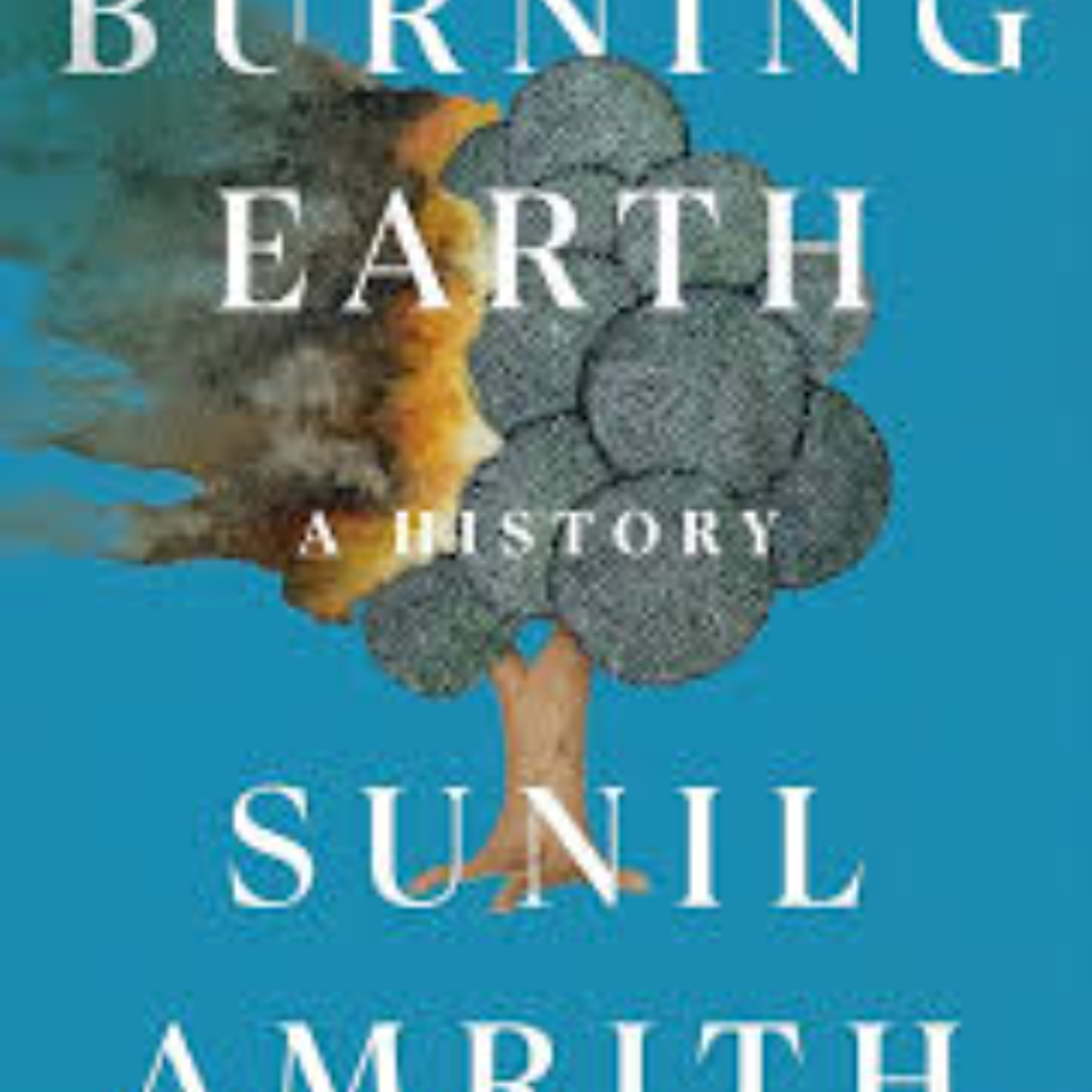
Herein I read a wide range of my favorite excerpts from The Burning Earth: 500 Year s of Environmental History written by a Yale professor Sunil Amrith, a 2024 publication. Very readable !...an erudite and articulate book. Spanning from early agrarian societies and the transition from Nomadic lifestyles to sedentary more rice and grain based agriculture. The book dives in depth into China, India and Russian histories with a powerful writing style that carries us all the way into contemporary times. Sunil Amrith observes sweeping and insightful patterns of history , tying together vast swaths of time and ecological relationships, distilling them to poignant and important connections. Please listen as we go from early civilizations to colonialism, sugar, WW I - tanks vs. horses, WW II - chemicals and industrialization, wrapping with the green revolution, India and modern global food issues and ideas.
Eco-Resort,Coffee Growers-Selva Negra-Matriarchs Vicky & Mausi
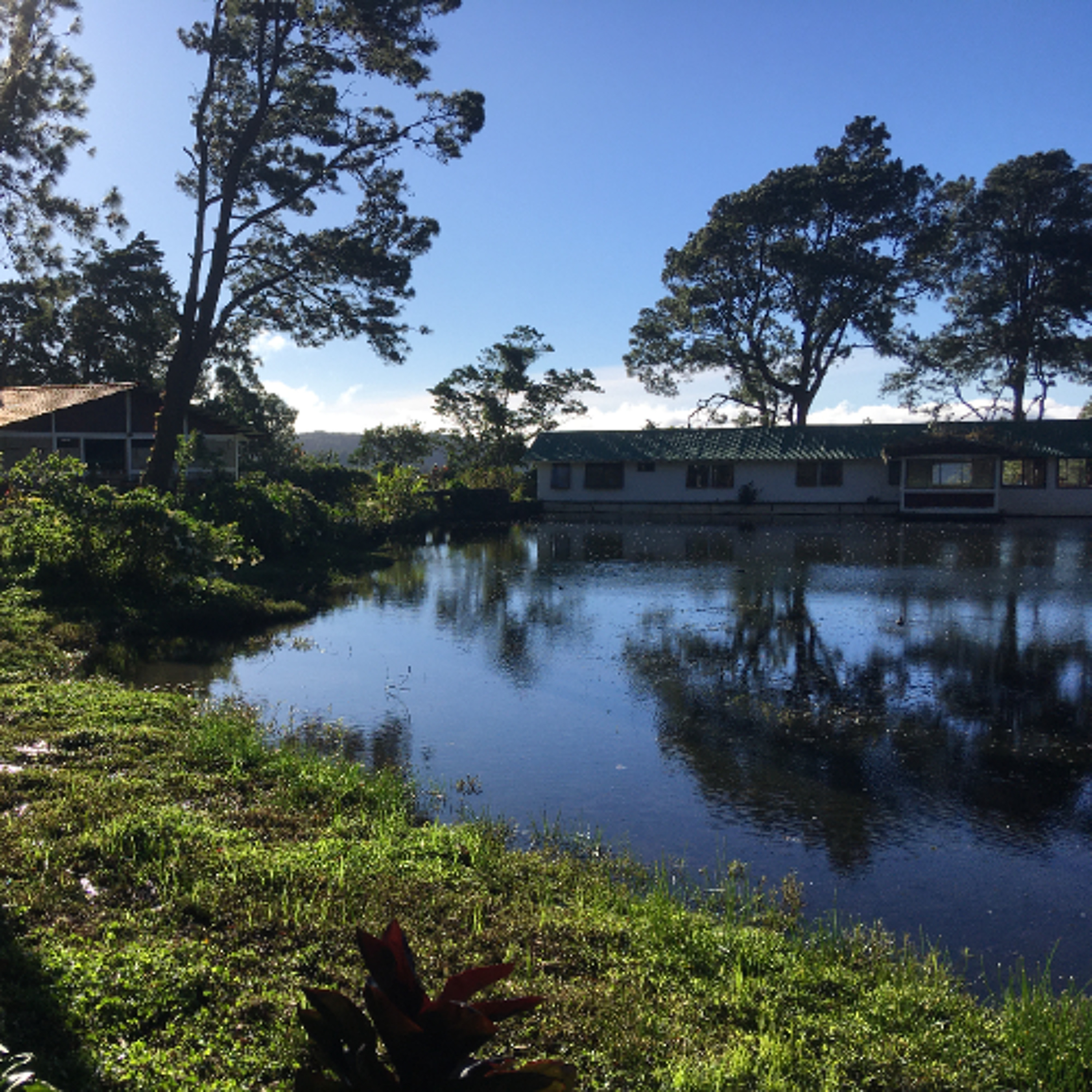
It takes a village run by Matriarchs , Vicky and Mausi who I interview here, to create a well integrated , Permaculture Coffee farm with 4 bio digestors fueling kitchens and fertilizing the farm, 2 micro-hydro generators powering their refrigeration, solar thermal hot water for all showers and sinks, micro-dairy heritage breeds for making their own European cheeses, grass fed beef, worm compost, pigs for their own sausages. This 700 employee , 7 generations family farm, on 900 hectares in the mountains of Nicaragua with it's own bio preserve for the peak and upper slopes a large lake with an Eco resort adjacent and 600 acres of Coffee with avocado, macadamia, citrus and cocoa, with it's own clinic, school and internationally known Eco resort and restaurant with homemade chocolate desserts to die for! All made from on site cocoa and vanilla. Sign up to day to reserve you space in our Permaculture class in this amazing setting and culinary experience.
Syntropic Agroforestry Interview Erik Schellenberg
Syntropic Agroforestry with Erik Schellenberg Erik and I go in depth into his journey to Permaculture, what works and what doesn't when we land the plane of Permaculture gardening methods, on a given site. Erik takes us on his travels to Brazil in search of truly viable ,high production methods of farming with tree crops and what he calls 4 dimensional systems. Erik gives a clear and concise comparison of Syntropic Agroforestry, it's origins and founders, and what he's gained from it. We compare Forest Gardening, Biodynamics and Syntropic methods and discuss deep design topics of where permaculture's place is, in this constellation of concepts and ideas, as an umbrella organizing principle that ties together all these techniques with the overarching focus on creating sustainable designs for human settlements.
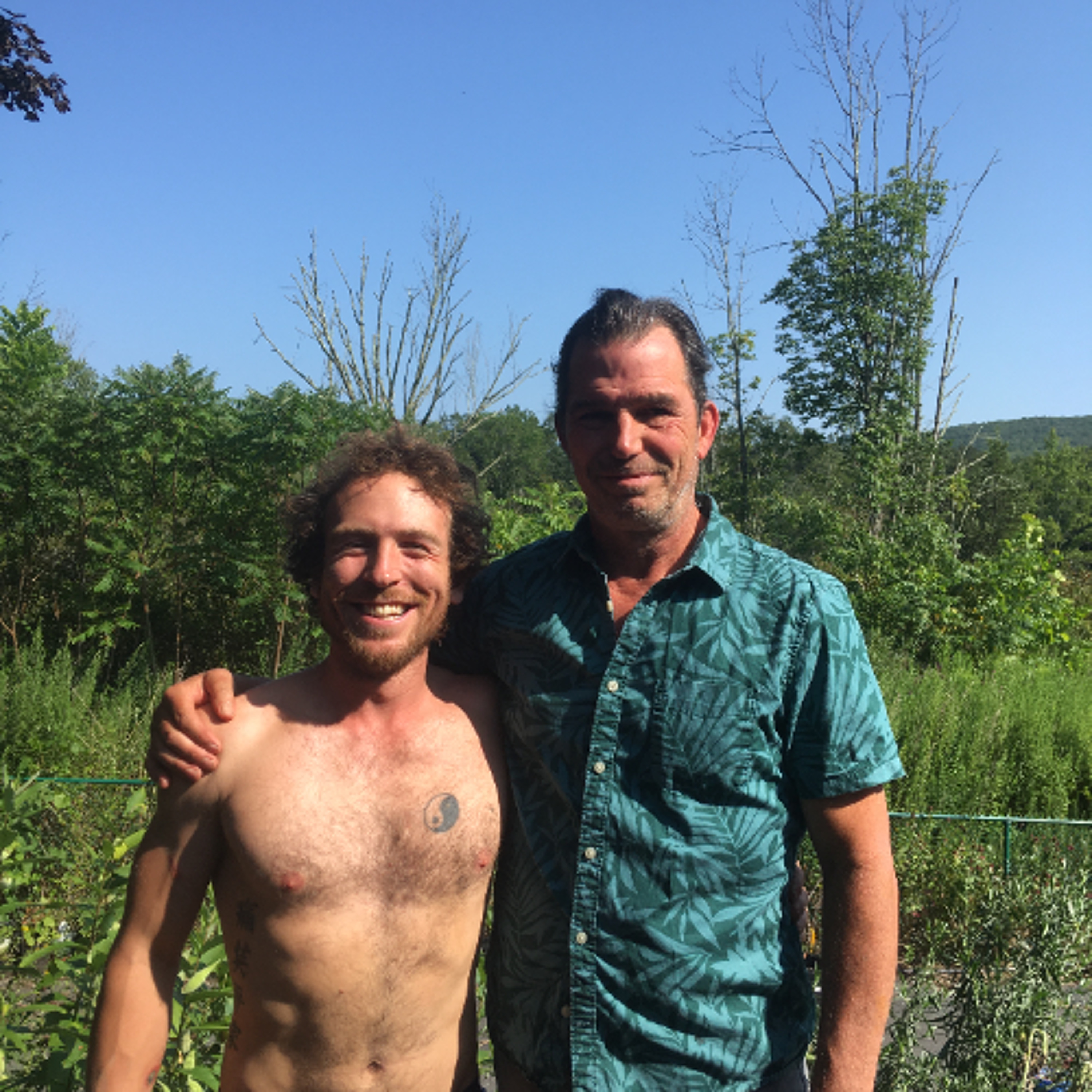
Adam Lavendar- A Conversation
Adam Lavendar ,my Permaculture apprentice this season, and I ,discuss my book Earth Is Our Home and his take aways from it, Urban applications of Permaculture, and Permaculture education. Adriana joins us part way through, for a discussion on protein that heads into a piece on how the industrialization of everything is the root of many of the problems we are all faced with in these times. We wrap up with discussing closed loop systems and inclusive community based design solutions.
You may also like








Get this podcast on your phone, Free


Create Your Podcast In Minutes
- Full-featured podcast site
- Unlimited storage and bandwidth
- Comprehensive podcast stats
- Distribute to Apple Podcasts, Spotify, and more
- Make money with your podcast
